

Lesson 3: How to Write Stroke Combinations for D+T and M+N in Gregg Shorthand
Learn how to join D and T into one stroke for -ted/-ded endings, combine M and N for smoother writing, and practice new brief forms with translations.

Welcome back to the Learn Gregg Shorthand project! Just getting started with Gregg Shorthand? Check out the Archive and begin with Lesson 0.
Review:
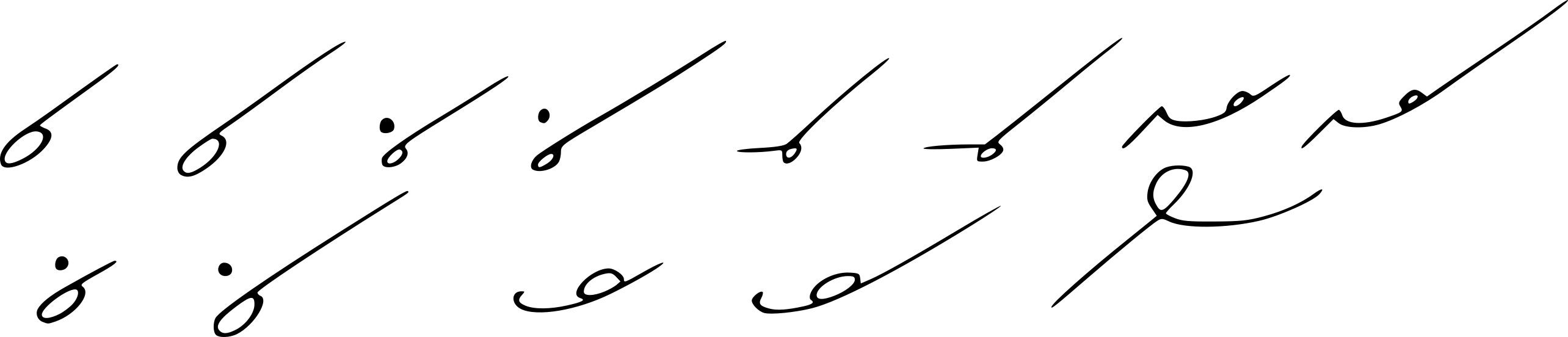
How are D and T written together in Gregg Shorthand?
D and T can be joined into one continuous stroke. This stroke stands for the syllables
-ted, -ded, and -det, making writing faster and smoother. For example:
Solutions:
add, added, heed, heeded, need, needed, treat, treated,
hate, hated, rate, rated, detail.
How are M and N written together in Gregg Shorthand?
The strokes for M-N and M-M are written as one continuous line. This seamless join makes writing faster and smoother. For example:

Solutions:
Many-money, meant, mend, mental,
month, minute, memory, eliminate.
More Brief Forms
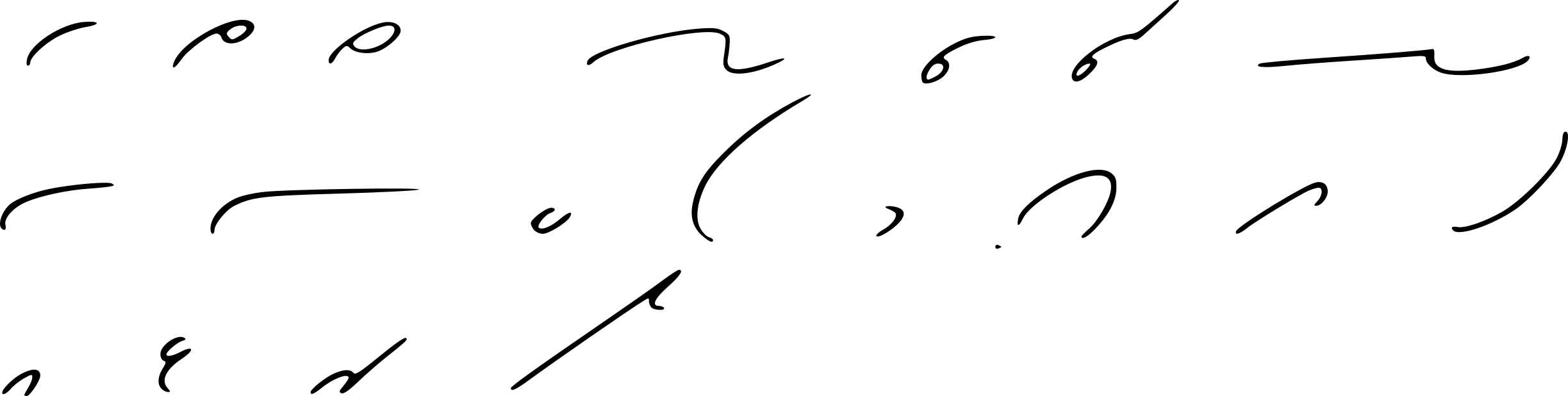
Some brief forms in this lesson contain shorthand alphabetic characters you haven’t learned yet. Focus on memorizing the brief forms for now without worrying about the unfamiliar strokes—you’ll learn those soon!
Solutions:
The, they, that, great, with, without, Mr.-market,
than-then, them, of, be-by-but, is-his, this, to-too-two, and-end,
you-your, was, Yours truly, Dear Sir-desire.
Do you find this content helpful?
Homework:
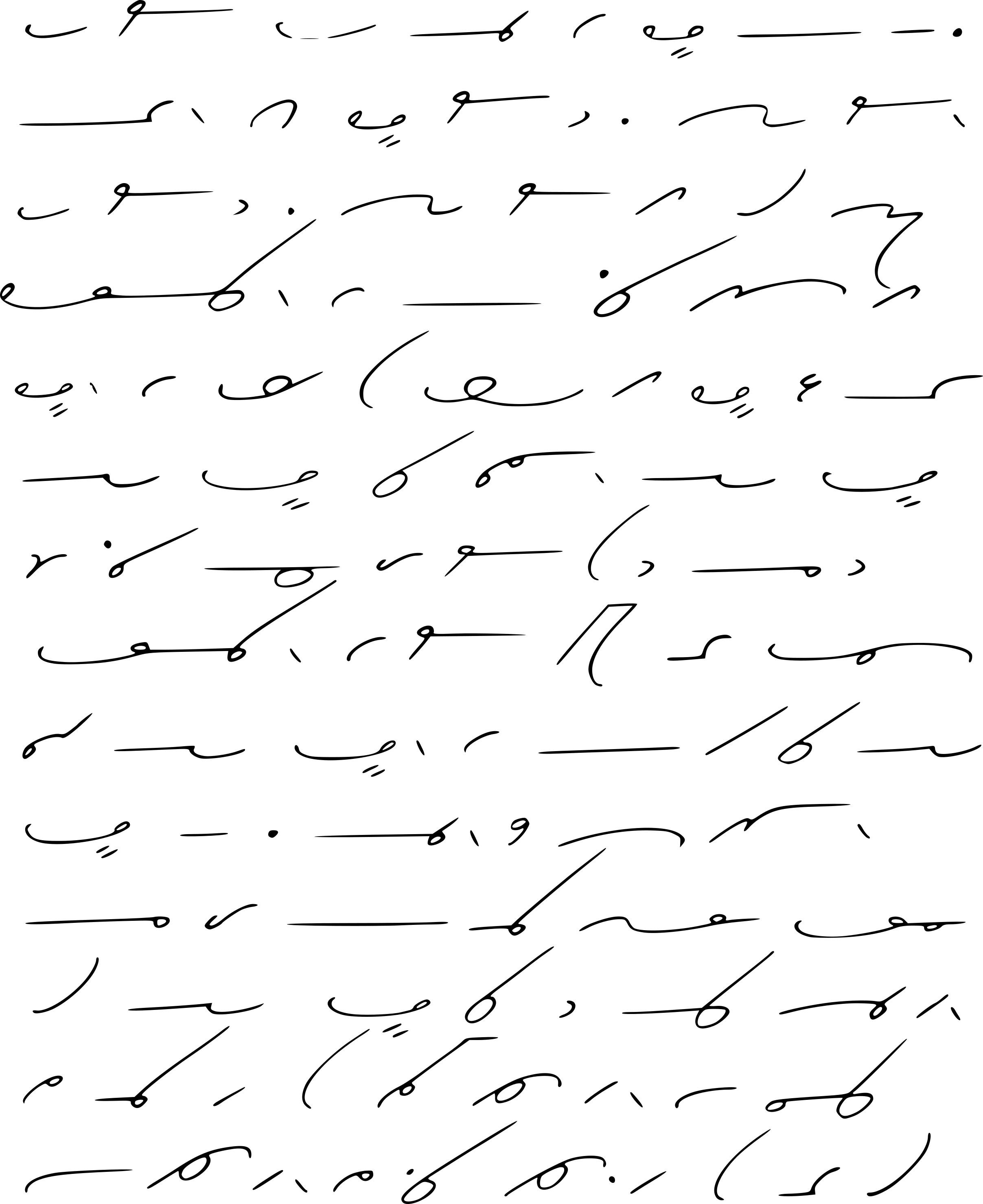
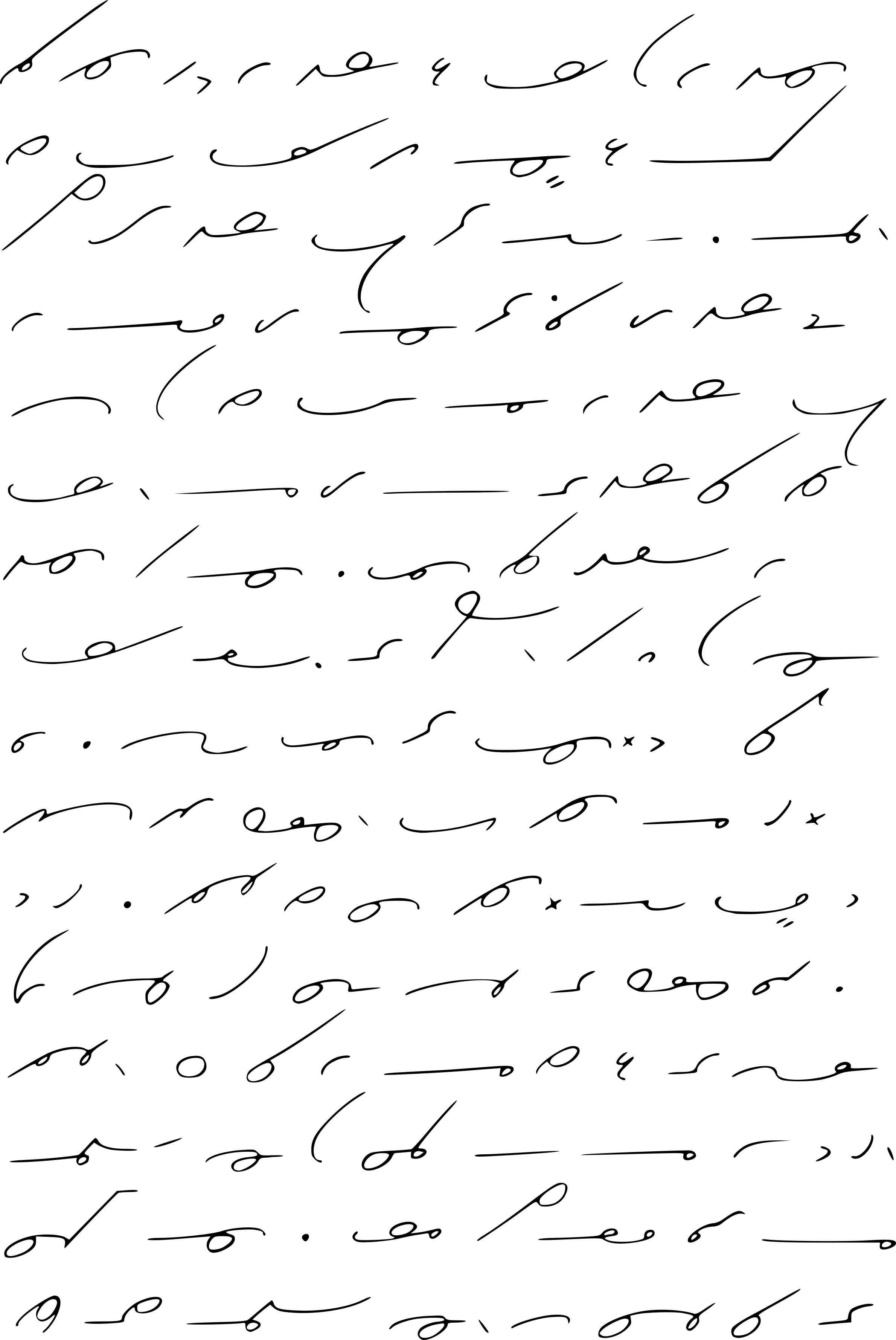
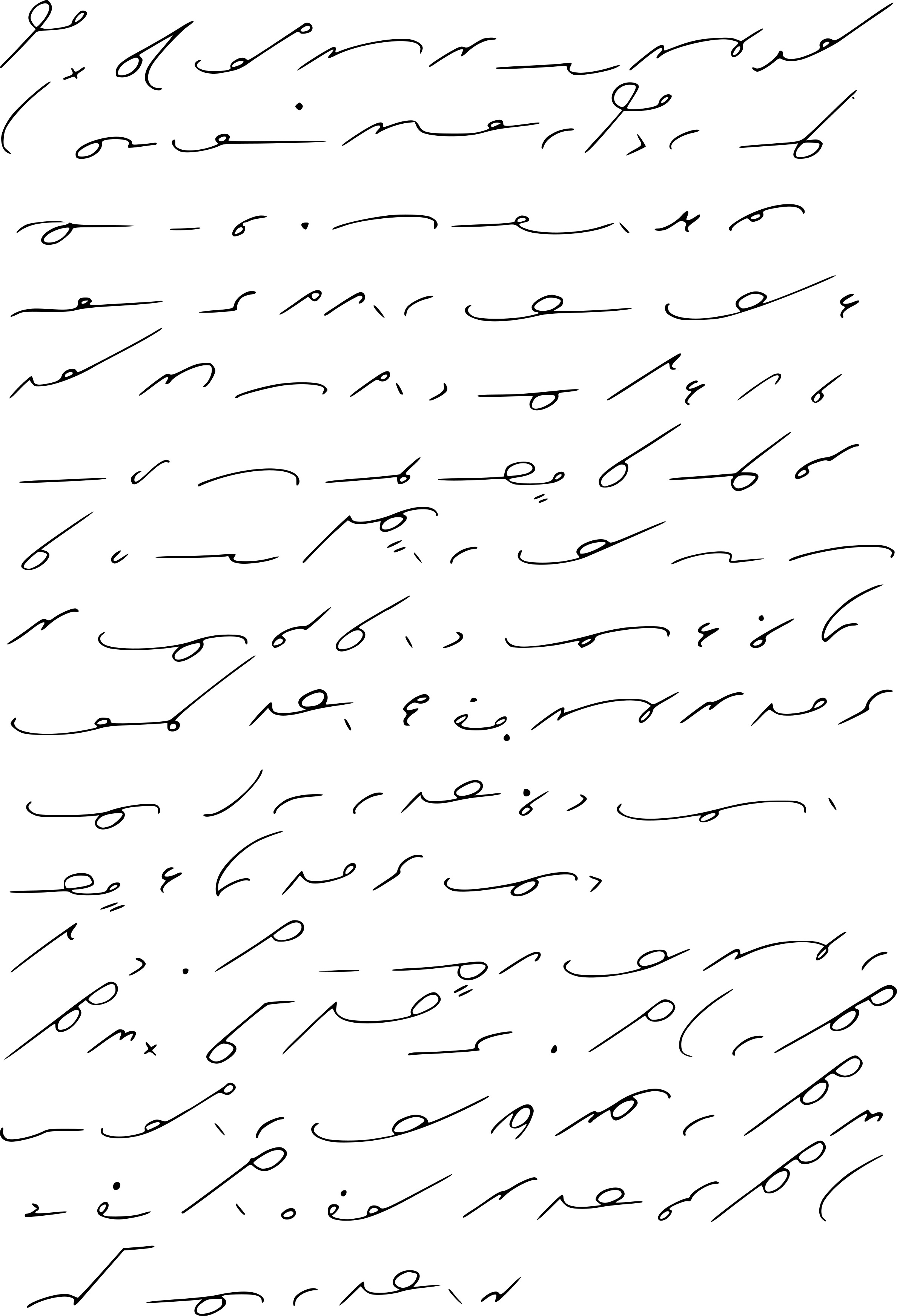
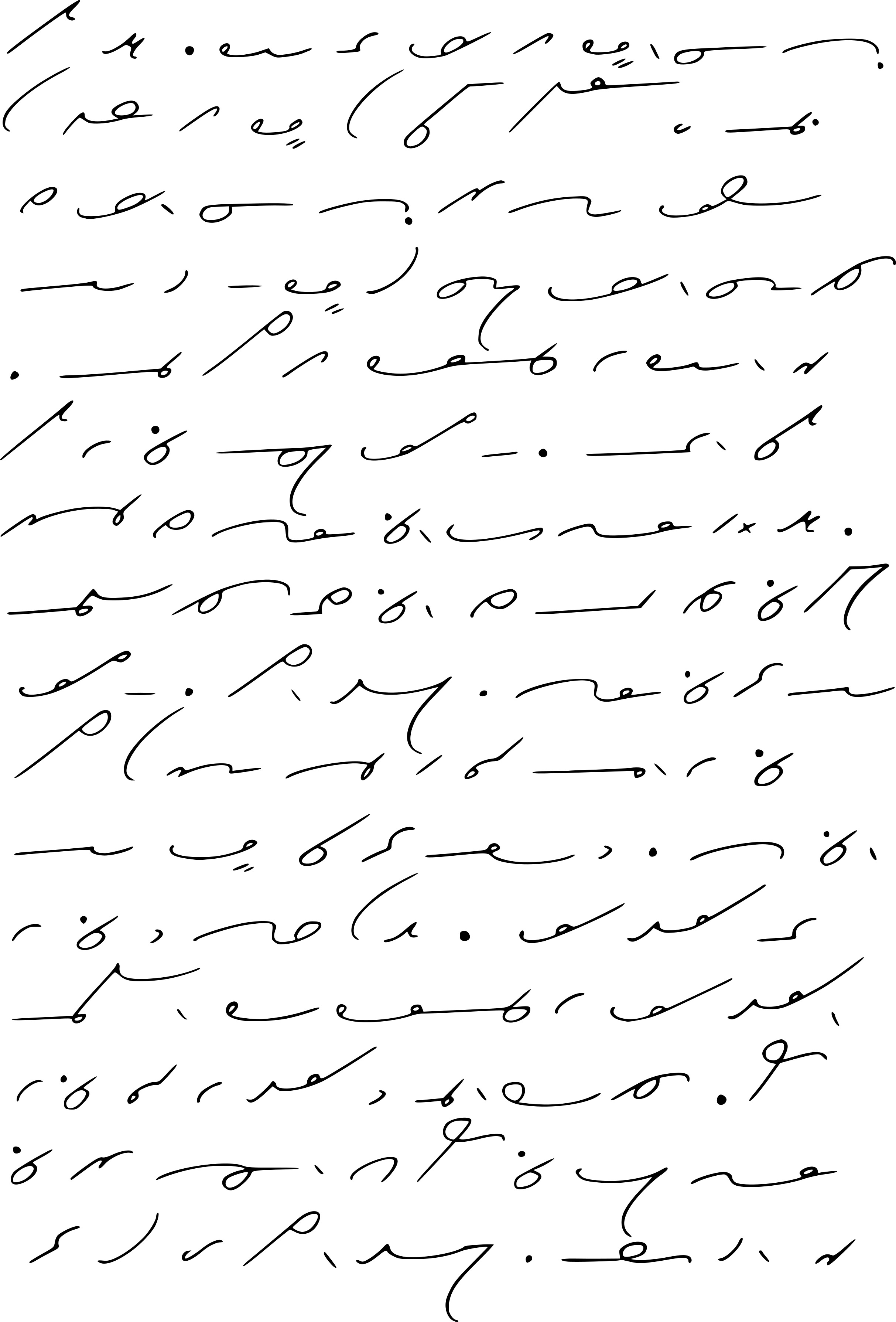
Translate all the above examples and the following:
Have any questions or feedback?
I’d love to hear your thoughts—let me know in the comments if these lessons are helpful or if there’s anything I can improve!
That’s it for today! Be on the lookout for the solutions sent later this week.
I truly appreciate you tuning in and being part of this Gregg Shorthand learning journey! Your enthusiasm and dedication make this project worthwhile, and I’m excited to keep learning alongside you.
If you’d like to support the channel, you can do so in two easy ways:
📌 As an Amazon Associate I earn from qualifying purchases. When you buy through my Amazon links, I may earn a small commission at no extra cost to you. I often share shorthand tools and materials I personally recommend — check them out here.
📌 Grab my digital learning content—like the Gregg-Ruled Drill Sheet on my Shopify store. It’s a simple way to invest in your shorthand practice while supporting this project.
Most importantly, share this newsletter with a friend! Learning is always more fun (and effective) when you have someone to practice with. Let’s build a community of shorthand learners together.
See you in the next lesson!
How can I start at lesson 0. ???
"def-v/tive" makes sense as a consonant blend, but the brief form for "this" is so unintuitive. I'd expect a th followed by the upper s shape, thought maybe that's not as fast as extending it, since it's such a common word. And maybe it's smaller than "def-v/tive"? How do you keep track of some of the subtle relative sizes being primary differences between shorthand blends, like "th" vs "ten"?